Understanding the Latest Trends in Auto Parts Technology

Introduction to Auto Parts Technology
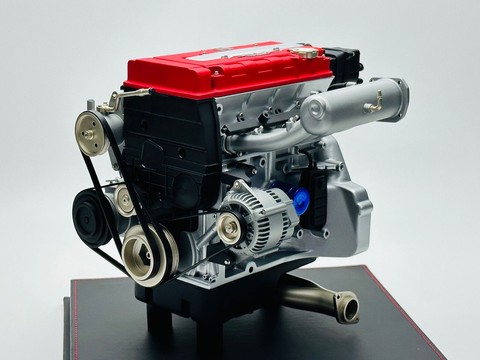
The automotive industry is experiencing rapid advancements, particularly in the realm of auto parts technology. As cars become more sophisticated, the components that make them up are evolving to match these innovations. Understanding the latest trends in this field is crucial for anyone involved in automotive maintenance or manufacturing.

Smart Sensors and Connectivity
One of the most significant trends is the integration of smart sensors and connectivity in auto parts. These components are designed to communicate with each other and with external devices, enhancing the vehicle's performance and safety. For instance, tire pressure monitoring systems now provide real-time data to drivers, ensuring optimal performance and safety.
Moreover, many modern vehicles are equipped with advanced driver-assistance systems (ADAS) that rely on a network of sensors. These systems can help prevent accidents by warning drivers of potential hazards or even taking control to avoid collisions.
Benefits of Connectivity
The connectivity in auto parts offers numerous benefits, including enhanced diagnostics, improved fuel efficiency, and better overall vehicle management. This technology allows for over-the-air updates, ensuring that the vehicle's software is always up-to-date without the need for a visit to the mechanic.

Advancements in Battery Technology
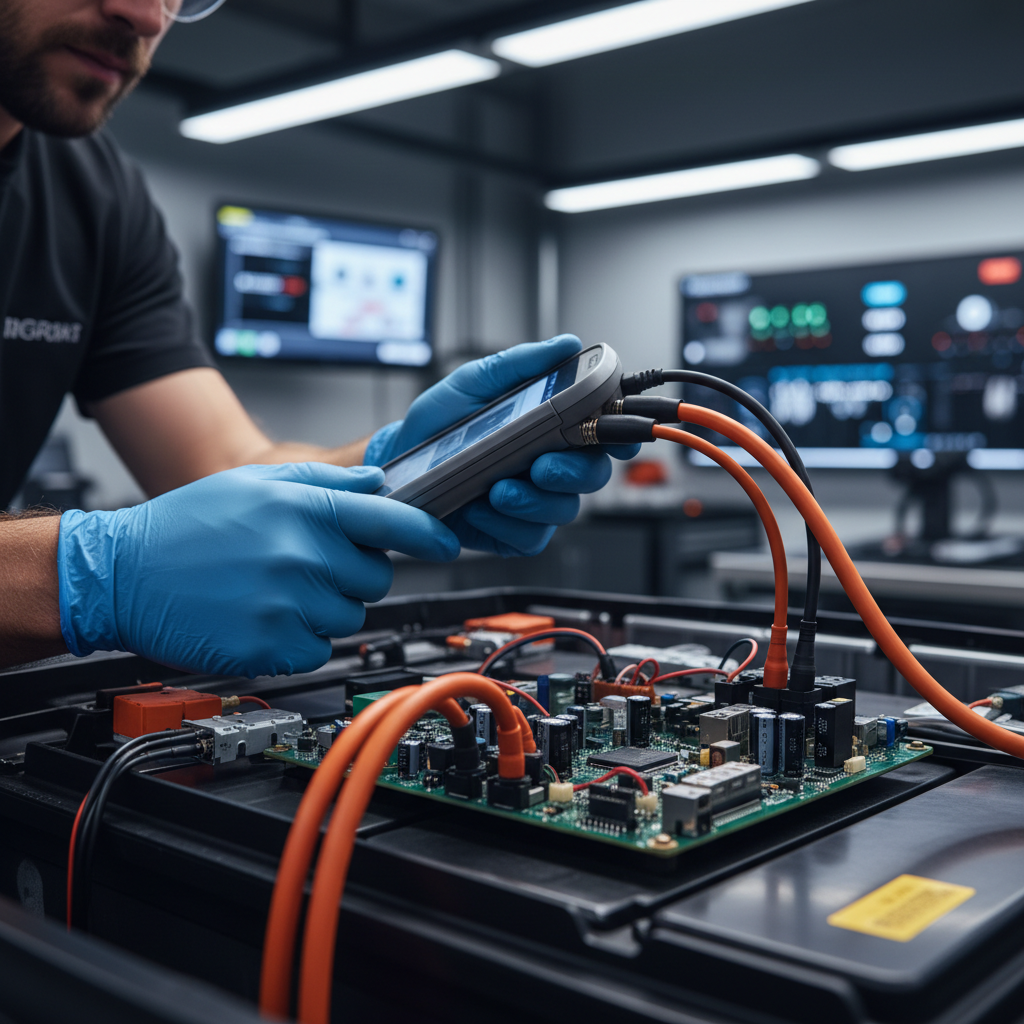
As the demand for electric vehicles (EVs) grows, advancements in battery technology are becoming more important. Modern batteries are designed to provide longer ranges and faster charging times, making EVs more practical for everyday use. Innovations in solid-state batteries, for example, promise to deliver higher energy densities and improved safety features.
The Future of EV Batteries
Looking ahead, researchers are focusing on developing batteries that are not only more efficient but also more sustainable. The use of recyclable materials and eco-friendly manufacturing processes is becoming a priority in the development of new battery technologies.
3D Printing and Customization
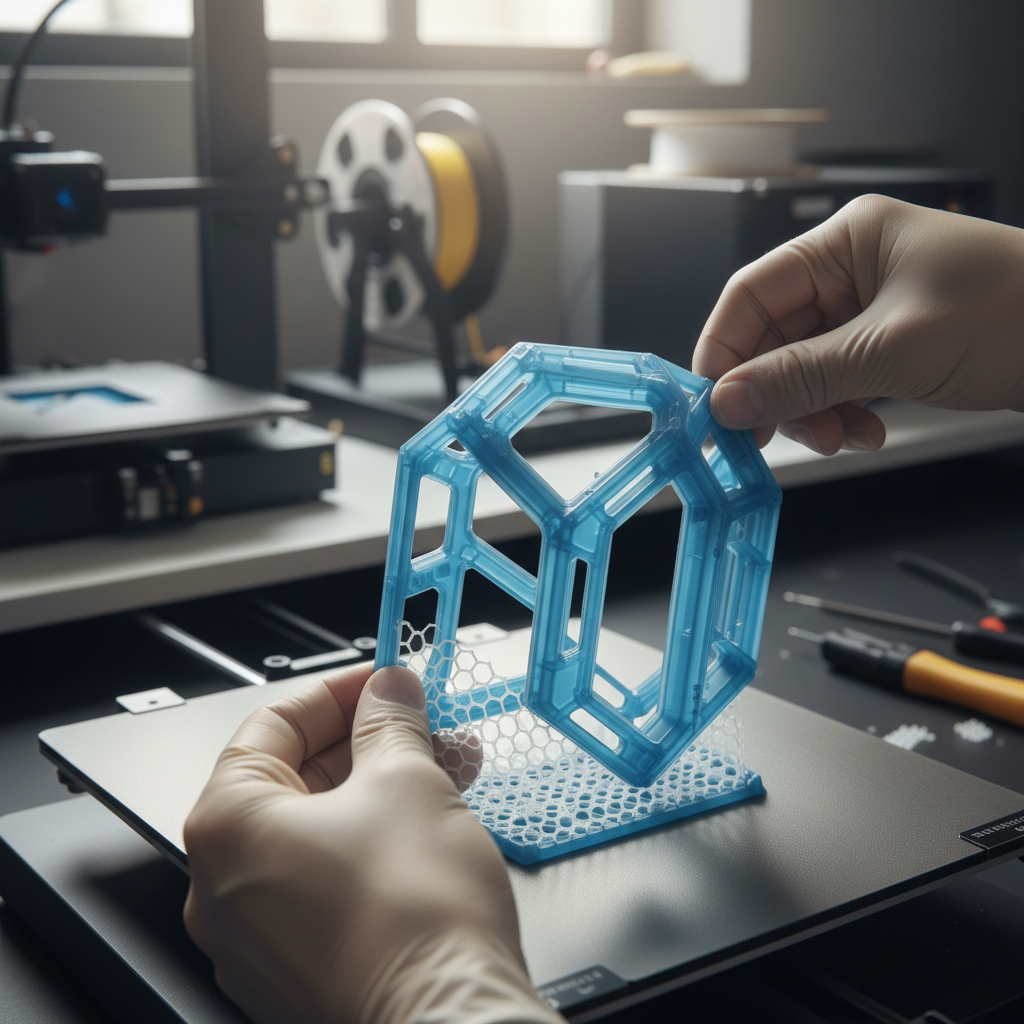
3D printing is revolutionizing the way auto parts are manufactured. This technology allows for rapid prototyping and the creation of complex components that would be difficult or impossible to produce using traditional methods. It also opens the door to customization, enabling manufacturers to produce parts tailored to specific customer needs.
With 3D printing, the automotive industry can reduce waste, lower production costs, and speed up the time-to-market for new components. This innovation is particularly beneficial for producing small batches of specialized parts.
Impact on Supply Chains
The integration of 3D printing into auto parts manufacturing is also impacting supply chains. By allowing for on-demand production, companies can reduce inventory levels and respond more quickly to changes in demand.
Conclusion
The latest trends in auto parts technology are reshaping the automotive industry. From smart sensors and connectivity to advancements in battery technology and the rise of 3D printing, these innovations are driving significant changes. For those involved in the sector, staying informed about these developments is essential to remain competitive and meet the evolving needs of consumers.