The Ultimate Guide to Choosing the Right Auto Parts for Your Vehicle

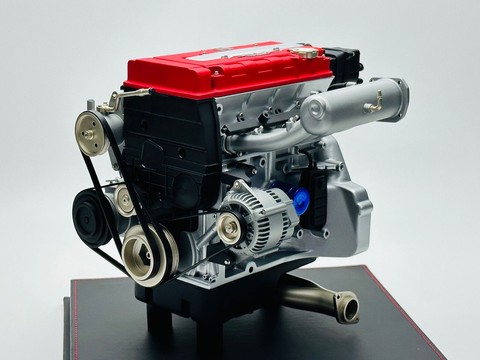
Understanding Your Vehicle's Needs
Choosing the right auto parts for your vehicle can significantly impact its performance and longevity. It's essential to understand what your vehicle needs before making a purchase. Whether you own a compact car or a heavy-duty truck, each vehicle has unique requirements that must be met to ensure optimal functionality.

Research and Identify the Parts Required
Before purchasing any auto part, it's crucial to research and identify what you need. Start by consulting your vehicle's manual, which provides detailed information about compatible parts. Additionally, consider consulting with a professional mechanic to gain insights into the specific components required for your vehicle.
Original Equipment Manufacturer (OEM) vs. Aftermarket Parts
One of the most critical decisions when buying auto parts is choosing between OEM and aftermarket options. OEM parts are made by the vehicle's original manufacturer, ensuring compatibility and quality. On the other hand, aftermarket parts are produced by third-party companies and can offer more variety and lower prices. Weigh the pros and cons to determine what suits your needs best.

Considering Quality and Price
While it might be tempting to opt for cheaper parts, quality should never be compromised. High-quality parts often come with better warranties and longevity. Compare prices from different suppliers but ensure that quality remains a priority. Sometimes, paying a little extra upfront can save you money in the long run by reducing the need for frequent replacements.
Where to Buy Auto Parts
There are numerous places to purchase auto parts, including online retailers, local auto parts stores, and dealerships. Each option has its advantages. For instance, buying online can offer convenience and a wider selection, while purchasing from a local store might provide immediate availability and personalized service.

Checking for Compatibility
Ensuring compatibility is crucial when selecting auto parts. Always double-check the part numbers and specifications to confirm they match your vehicle's requirements. Utilize online compatibility tools or consult with a professional to avoid any mismatches that could lead to further issues.
Return Policies and Warranties
When purchasing auto parts, always review the return policies and warranties offered by the seller. A solid warranty can provide peace of mind, ensuring that you're covered in case the part fails prematurely. Make sure you understand the terms and conditions, including any restocking fees or warranty limitations.

Installation Considerations
Finally, consider how the part will be installed. Some parts are easy to install on your own, while others may require professional assistance. Assess your mechanical skills and the complexity of the installation before deciding whether to tackle it yourself or hire a professional mechanic.
By following these guidelines, you can make informed decisions when selecting auto parts, ensuring that your vehicle remains in top condition for years to come.