The Ultimate Guide to Choosing the Right Auto Parts for Your Vehicle

Understanding Your Vehicle's Needs
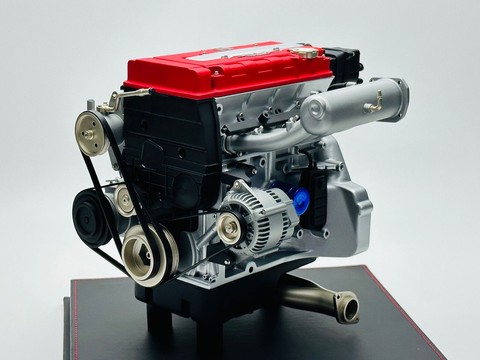
Choosing the right auto parts for your vehicle is crucial for maintaining its performance and longevity. The first step is to understand your car's specific requirements. Whether you're driving a compact sedan or a rugged SUV, each vehicle has unique needs based on its make, model, and year. Consult your owner's manual to determine the exact specifications and part numbers necessary for replacements.

OEM vs. Aftermarket Parts
One of the biggest decisions you'll face is whether to purchase Original Equipment Manufacturer (OEM) parts or aftermarket alternatives. OEM parts are made by the vehicle's manufacturer and are generally considered more reliable due to their quality assurance. In contrast, aftermarket parts are produced by third-party companies and can be less expensive but vary widely in quality. Consider your budget and the critical nature of the part before making a decision.
Quality Over Cost
While it might be tempting to save money by opting for cheaper parts, this can lead to more significant expenses down the road. Low-quality parts can affect your vehicle's performance and may require more frequent replacements. Always prioritize quality, especially for essential components like brakes and engine parts. Investing in high-quality parts ensures better performance and safety.
Compatibility and Fit
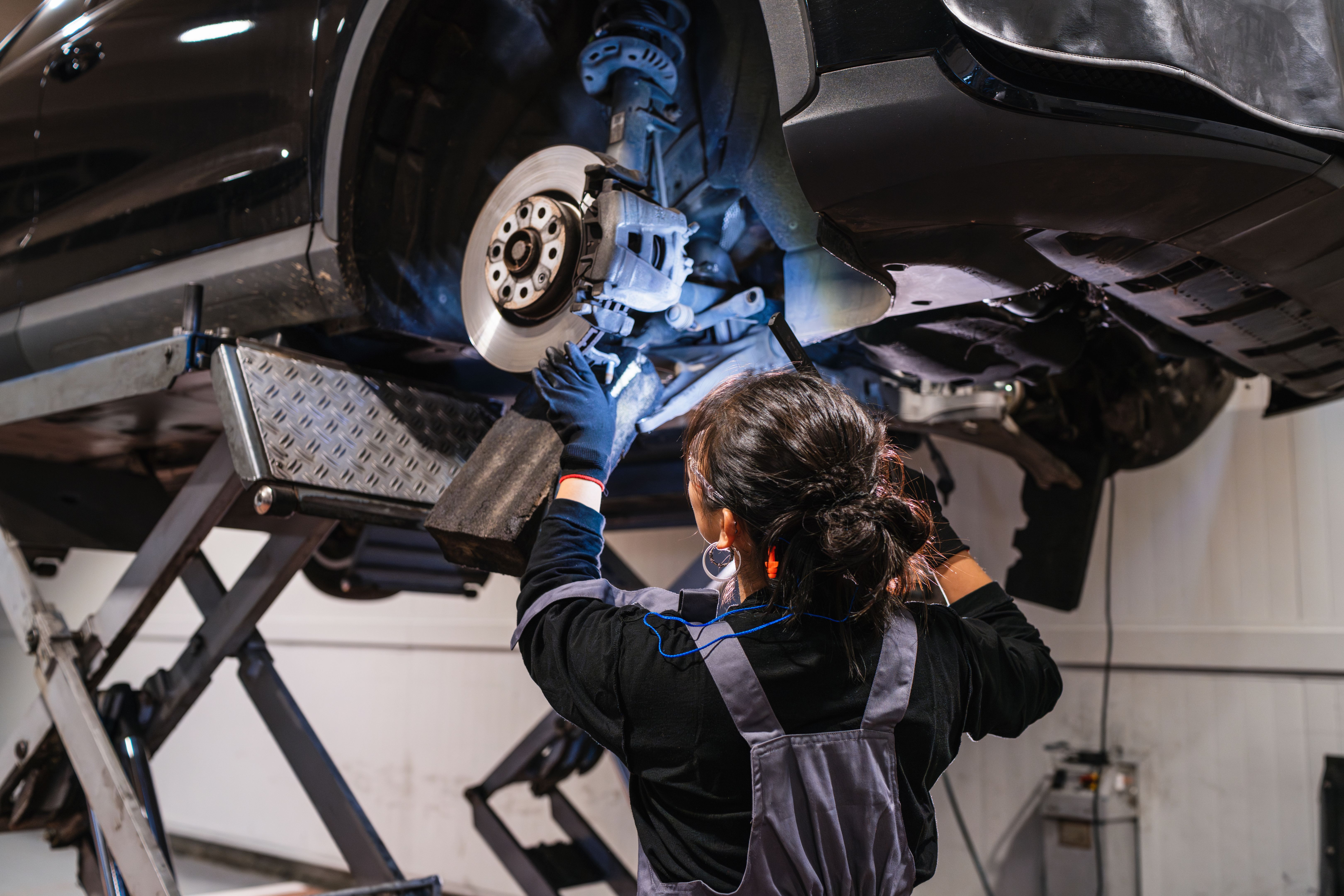
Ensuring that the parts you choose are compatible with your vehicle is vital. Parts that do not fit correctly can cause damage and lead to costly repairs. Use your vehicle's VIN (Vehicle Identification Number) to search for compatible parts or consult with a professional mechanic for guidance. This step minimizes the risk of purchasing incorrect parts.
Reading Reviews and Ratings
Before purchasing any auto parts, take the time to read reviews and ratings from other consumers. These insights can provide valuable information about the part's performance and reliability. Look for patterns in feedback—consistent positive reviews can indicate a trustworthy product, while frequent complaints may be a red flag.

Choosing the Right Supplier
Selecting a reputable supplier is as important as choosing the right parts. Consider purchasing from authorized dealers or well-known online retailers that offer warranties and return policies. This can provide peace of mind, knowing you have support if the parts do not meet your expectations.
Consulting with Professionals
If you're unsure about any aspect of purchasing auto parts, don't hesitate to consult with a professional mechanic. Their expertise can guide you in making informed decisions, ensuring that you choose parts that best fit your vehicle's needs. Many mechanics also have access to quality parts suppliers and can assist with the selection process.
By following these guidelines, you can confidently navigate the world of auto parts, ensuring that your vehicle remains in top condition for years to come.