How to Replace Your Car's Brake Pads at Home: A Step-by-Step Guide

Why Replace Your Brake Pads?
Replacing your car's brake pads is an essential maintenance task that ensures your vehicle's safety and performance. Worn-out brake pads can significantly reduce your braking efficiency, leading to longer stopping distances and potential accidents. Regular checks and timely replacements can keep your car running smoothly and safely.
Signs You Need New Brake Pads
There are several indicators that your brake pads may need replacing. Listen for a high-pitched squealing sound when you apply the brakes, as this is often a telltale sign. You might also notice a grinding noise, which indicates the pads are worn down to the metal. Additionally, if your car takes longer to stop than usual, it's time to inspect those pads.
Gathering the Necessary Tools
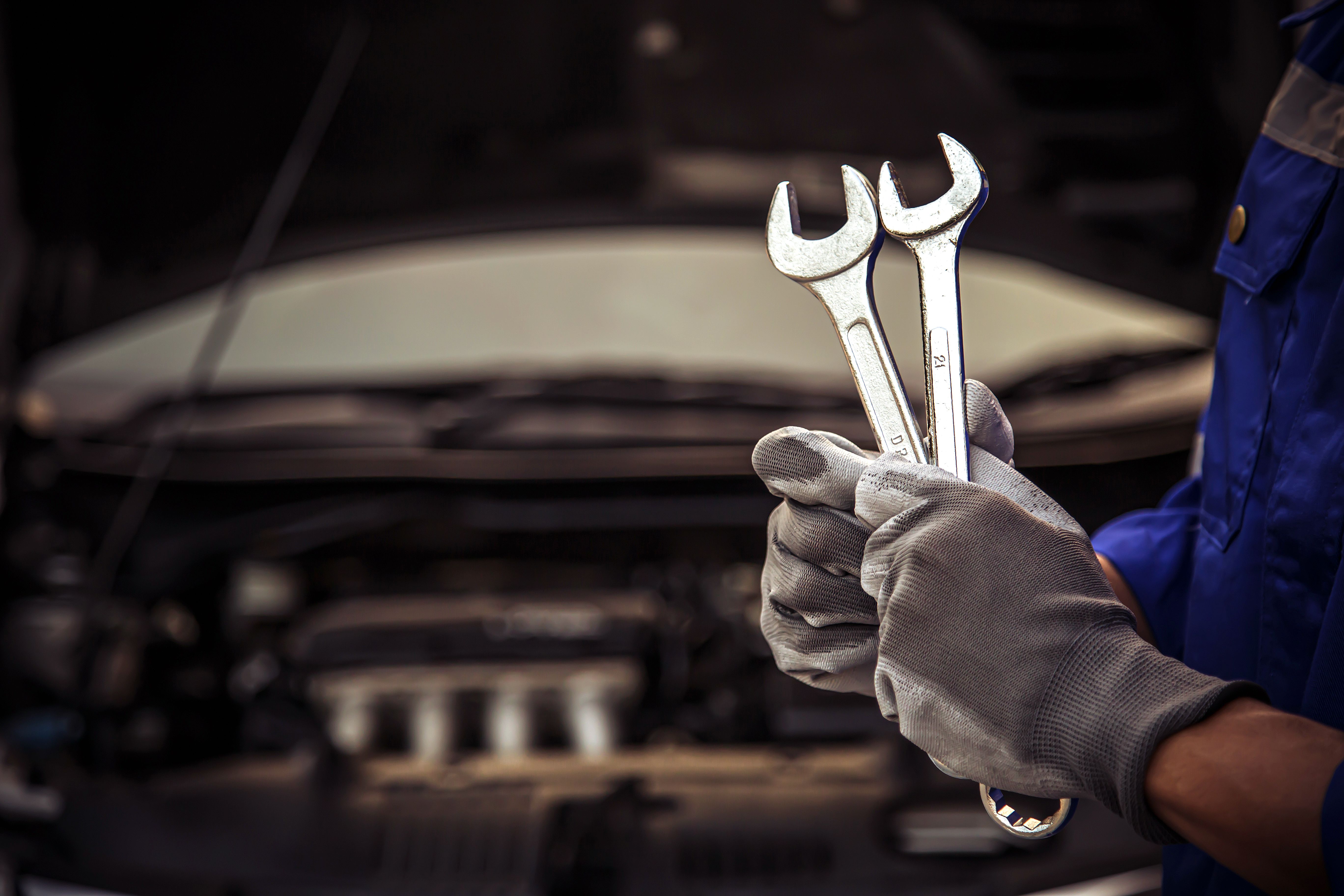
Before you start, ensure you have all the necessary tools at hand. Here's a list of items you'll need:
- New brake pads
- Jack and jack stands
- Lug wrench
- C-clamp or brake caliper tool
- Socket set
- Brake fluid
- Protective gloves and safety glasses
Preparing Your Vehicle
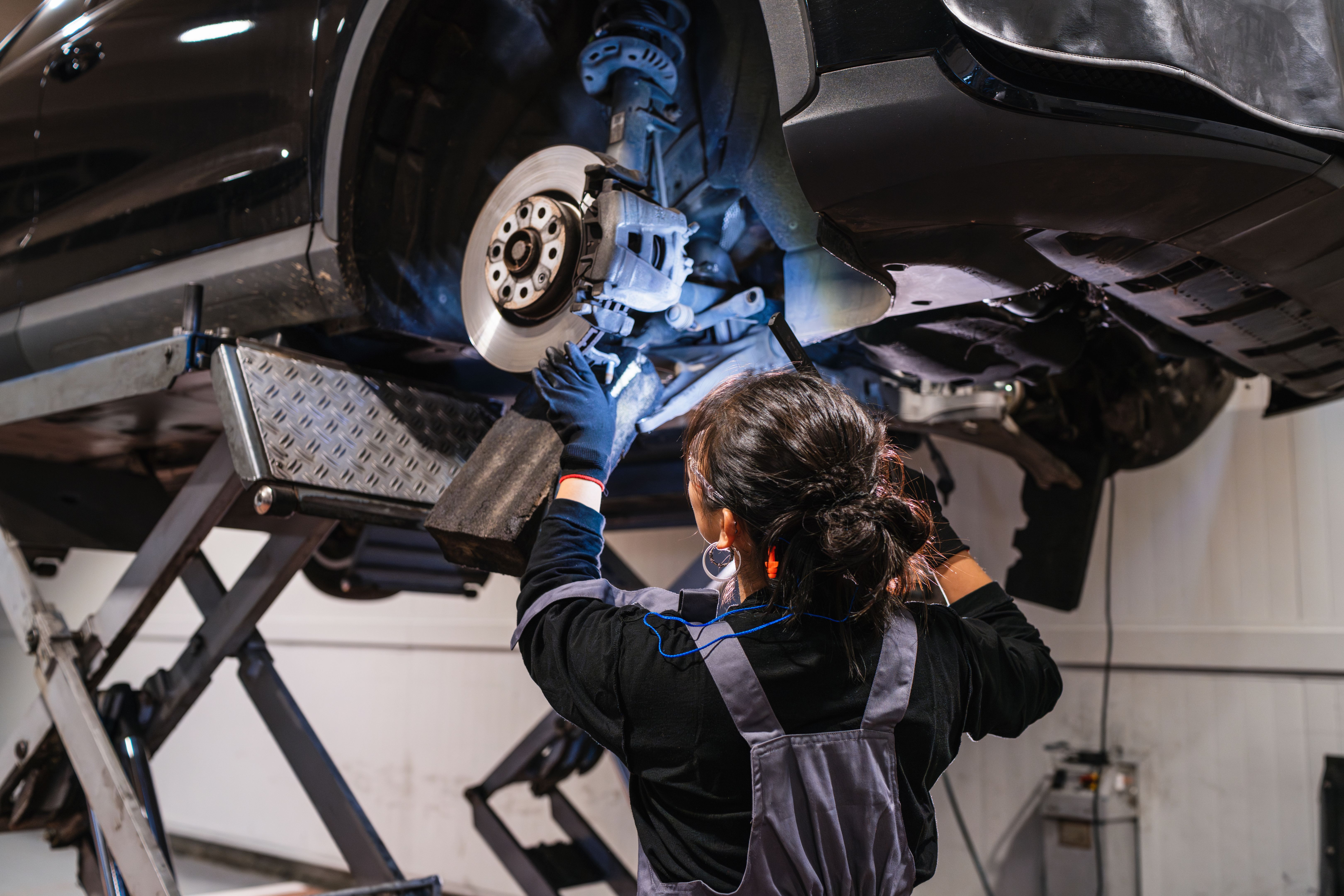
Begin by parking your car on a flat, stable surface and setting the parking brake. Loosen the lug nuts on the wheels before jacking up the car. Once elevated, secure the vehicle with jack stands for added safety. Remove the wheels to access the brake assembly.
Removing Old Brake Pads
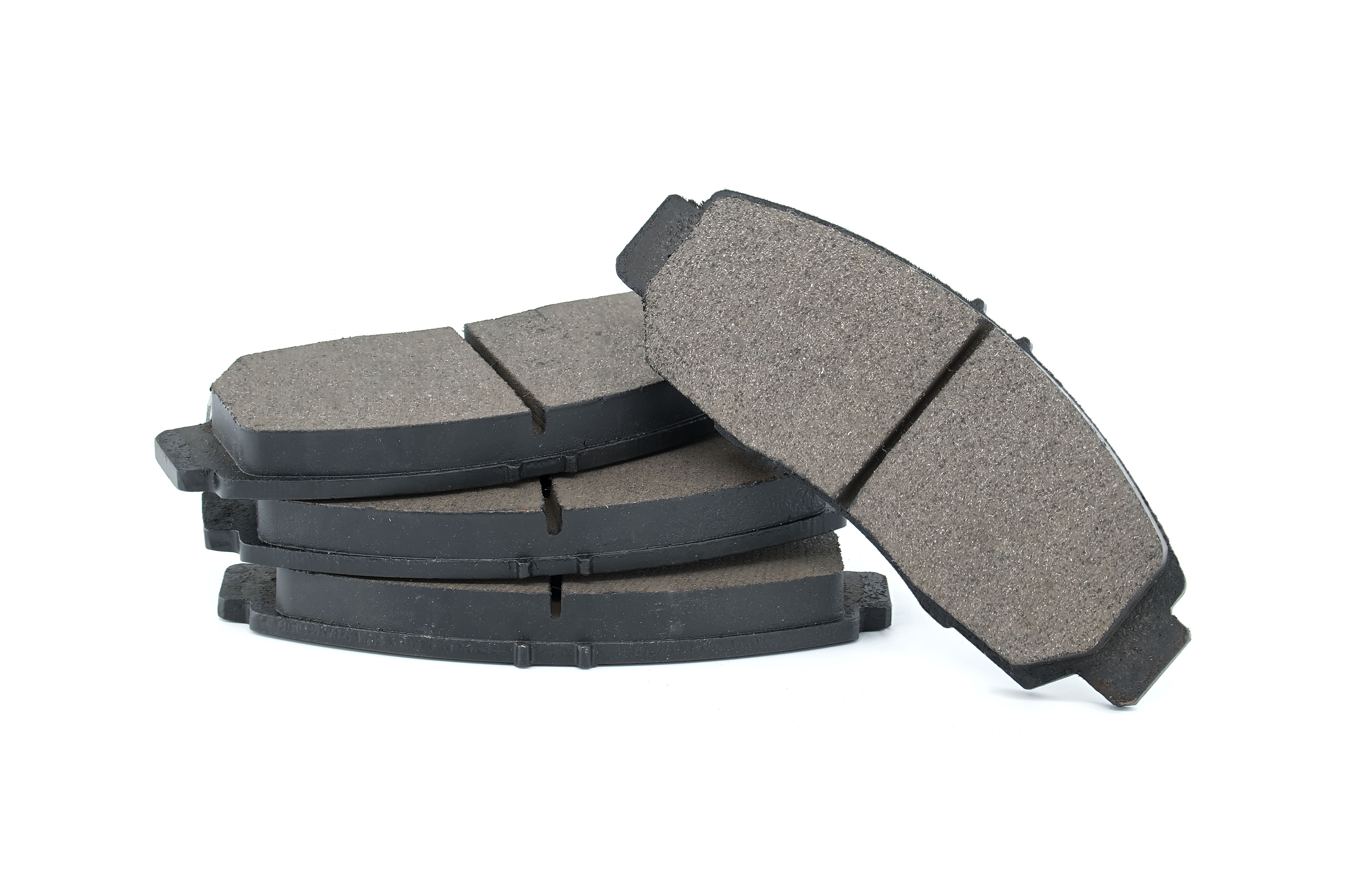
Locate the brake caliper, which houses the brake pads. Using a socket set, remove the bolts holding the caliper in place. Carefully slide the caliper off the rotor, ensuring you don’t strain the brake line. Remove the old brake pads from the caliper bracket.
Installing New Brake Pads
Before installing the new pads, compress the caliper piston using a C-clamp or brake caliper tool. This will create space for the new, thicker pads. Insert the new brake pads into the caliper bracket, ensuring they are seated correctly. Reinstall the caliper over the rotor and secure it with the bolts you previously removed.
Reassembling and Testing
Once the new brake pads are in place, refit the wheels and hand-tighten the lug nuts. Lower the car and fully tighten the lug nuts in a crisscross pattern. Before hitting the road, pump the brakes a few times to ensure the pads are properly seated.
Final Checks
After replacing your brake pads, take your car for a short test drive. Pay attention to how the brakes feel and listen for any unusual noises. If everything seems normal, you’ve successfully replaced your brake pads. If you experience any issues, recheck your work or consult a professional.
By following these steps, you can confidently replace your car's brake pads at home, saving time and money while ensuring your vehicle remains safe to drive.