DIY Car Repair 101: Essential Tools Every Eagle Pass Car Owner Needs

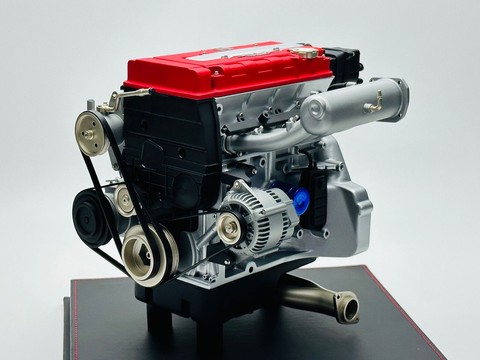
Owning a car in Eagle Pass offers unparalleled freedom, but it also comes with the responsibility of maintenance. While professional mechanics are invaluable, there are several repairs you can handle on your own with the right tools. Whether you're a seasoned DIY enthusiast or just getting started, having a well-equipped toolbox is essential.
Why DIY Car Repair?
DIY car repair not only saves money but also empowers you with the skills to handle emergencies. Imagine being stranded on a deserted road without cell service; having the know-how to fix minor issues can be a lifesaver. Additionally, performing your own repairs can enhance your understanding of how your vehicle operates.
Basic Hand Tools
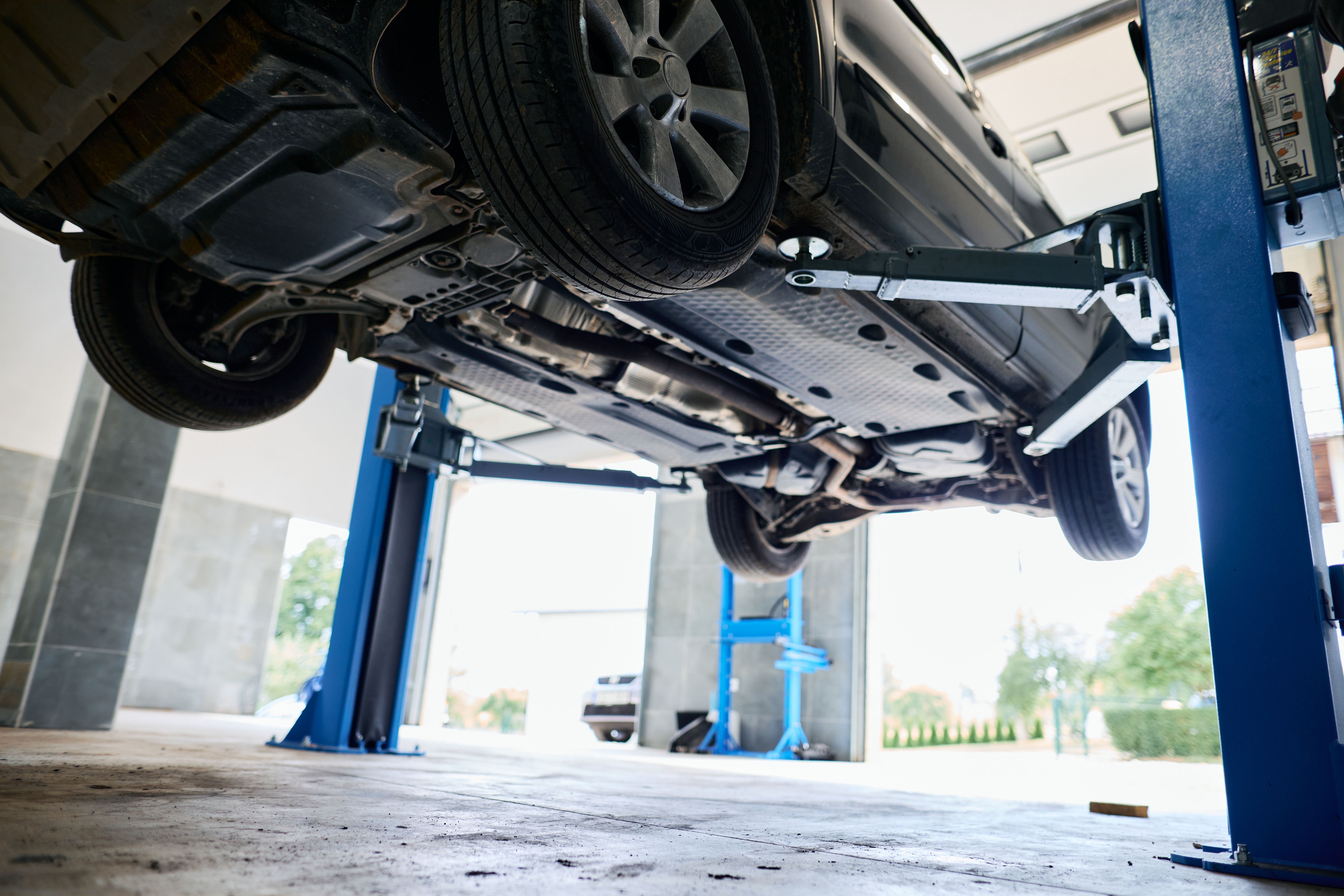
Every car owner should have a set of basic hand tools. These tools form the foundation of any DIY repair kit and are useful for a variety of tasks. Here are some essentials:
- Screwdrivers: Both flathead and Phillips screwdrivers are crucial for removing screws and small components.
- Wrenches: A set of adjustable wrenches helps with nuts and bolts of different sizes.
- Pliers: Different types of pliers, such as needle-nose and locking pliers, are indispensable for gripping and cutting.
Socket Set
A socket set is another must-have for any car owner. This tool allows you to remove and install various automotive bolts and nuts effectively. When choosing a socket set, ensure it includes both metric and standard sizes to handle different vehicles.
Jacks and Stands
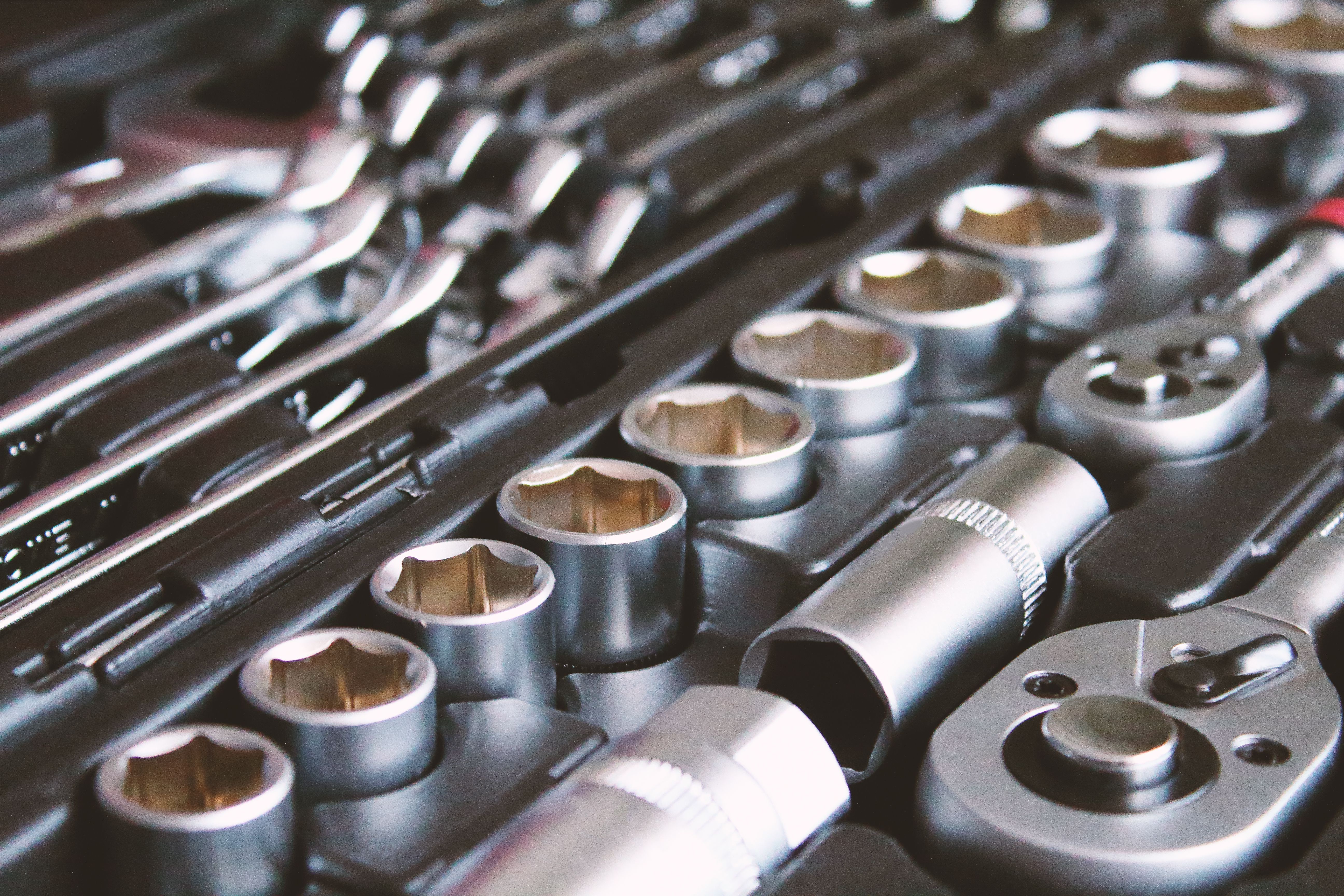
To safely access the underside of your car, a reliable jack and sturdy jack stands are essential. Never rely solely on a jack; always support your vehicle with stands to prevent accidents. This setup is crucial for tasks like changing tires or inspecting the undercarriage.
Specialized Tools
As you become more comfortable with DIY repairs, consider investing in specialized tools. These tools can handle more complex jobs:
- Torque Wrench: Ensures bolts are tightened to the manufacturer's specifications, preventing damage from over-tightening.
- Multimeter: Useful for diagnosing electrical issues, a multimeter measures voltage, current, and resistance.
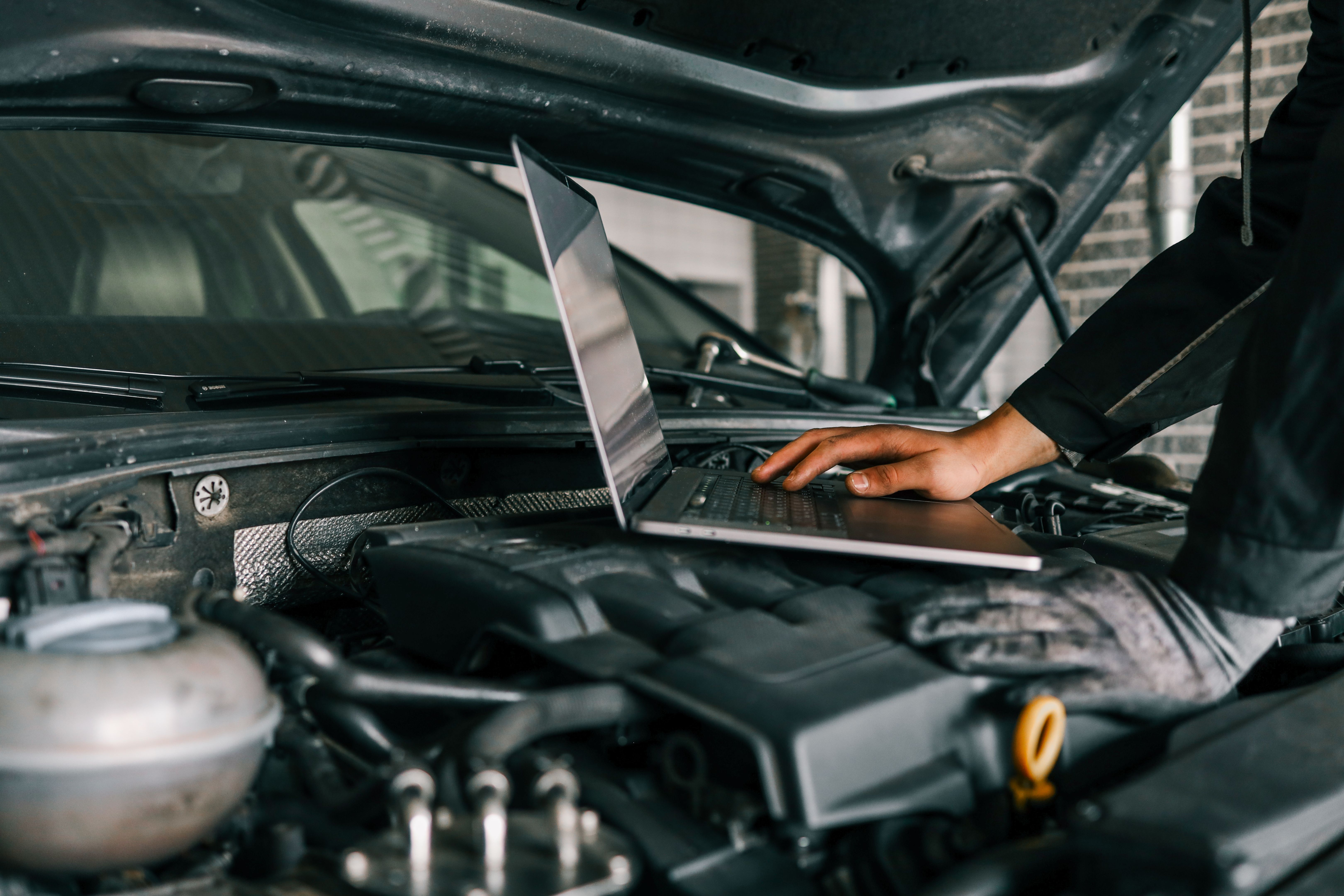
- OBD-II Scanner: This device reads error codes from your car's computer, helping you diagnose issues quickly.
Safety Gear
Never underestimate the importance of safety gear. Protect yourself with essentials like gloves, goggles, and a good work light to ensure you can see clearly while working. Your safety should always be the top priority during any repair.
By equipping yourself with these essential tools, you're not only prepared for routine maintenance but also for unexpected repairs. Embrace the DIY spirit and take control of your car's upkeep, gaining skills and confidence along the way.